
If you're facing a dull ache at the very back of your jaw building for weeks, we check who's actually open in Henry, IL right now for this exact procedure — not just listed online.
Call and a coordinator checks live openings with a specialist while you're on the line.
+1-866-227-2801
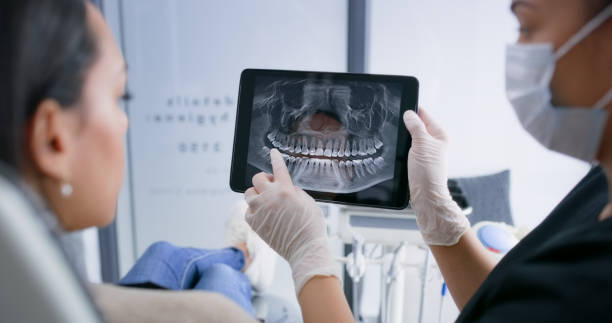
Wisdom teeth, the third set of molars, often don't have room to erupt properly, which is why so many end up impacted — angled sideways, partially emerged, or trapped under the gum. A panoramic X-ray maps the position and angle of each one relative to nerves and neighboring molars before removal is planned.
{Not every wisdom tooth needs to come out — some erupt fully and function normally — but impacted ones are frequently linked to infection, crowding, or cyst formation.|The decision usually comes down to whether the tooth is causing or likely to cause problems down the line.} Because multiple teeth are often removed at once, sedation beyond local anesthesia is commonly offered.
Age plays a role in how straightforward the surgery is — roots are less developed and bone more pliable in the late teens and early twenties than later on. That's part of why many providers recommend evaluating wisdom teeth even before they cause symptoms.
Full-mouth X-rays show exact tooth angle and nerve proximity before anything is planned.
From light nitrous oxide to deeper IV sedation, comfort scales with how involved the case is.
Complex cases are routed to a surgical specialist rather than attempted generally.
One visit typically covers everything rather than staggering removals separately.
Our network specialists cover the full range of this procedure, from the routine case to the complicated one.
Handles the most common reason wisdom teeth cause pain and infection risk.
For teeth that emerged but are still recommended for removal due to crowding or decay risk.

The typical approach when several or all four teeth need extraction.
Removes both the tooth and any associated cyst tissue together.

A comfort option for surgical cases involving significant impaction.
Tracks healing and catches complications like dry socket or infection early.
A coordinator answers and asks a few quick questions about your specific case and how urgent it is.
We match you with a nearby specialist experienced in this exact procedure and check real-time openings.
You get a clear explanation of the treatment plan and its cost before any work begins.
Treatment proceeds on the agreed plan, with aftercare instructions and a follow-up if the case calls for one.
"Explained every step and the cost before doing anything. First visit that didn't feel rushed."
"Didn't have to wait weeks like my old dentist. Got routed straight to a specialist who knew what to do."
"Was honest that the closest office was full and got me into a nearby one instead of leaving me stuck."
Removal is usually recommended for impacted or problem-causing teeth, not automatically for every case.
Most patients recover within three to five days, with full healing over a couple of weeks.
Most multi-tooth or impacted cases use sedation beyond local anesthesia alone.
A panoramic X-ray shows tooth position and confirms impaction before any decision is made.
Crowding pressure from the back is a common reason removal gets recommended even without pain.
Pricing varies with sedation choice and complexity, confirmed during consultation.
Our coverage spans Henry and its surrounding area, matching you with the closest available specialist who's actually open.
Licensed to practice in IL, verified before referral.
Call now and a coordinator matches you with an open specialist and a confirmed time.
Call +1-866-227-2801 Now